
If you’ve just received a diagnosis or you’re in the thick of treatment, you’ve probably realized by now that what you have heard at your doctor’s or oncologist’s office is only half the story. They tell you about the procedures and treatment schedule, but they don’t tell you how to survive those days when your mouth tastes like pennies, and you can’t remember the last time you felt like a human being instead of a patient.
That’s why I decided to put this site together. These are things I would have liked to know when I first started my cancer journey. Think of this little site as your go to for Cancer Hacks. A place where I can share what I have learned, to hopefully soften your experience. I’m not a doctor, this is all personal experience and suggestions you may want to consider as you navigate your very personal cancer experience.
I set up this blog into four main sections.
1. My Survival Guide: The Practical Hacks
When you’re a patient, your “job” suddenly becomes navigating a plethora of appointments, lots of information, stress, needles, and side effects. This section is all about the technical side of being sick, the stuff that makes the day-to-day logistics less of a nightmare.
One of the biggest game-changers for me was getting the right “hardware” installed. If your treatment plan involves long-term chemo, you’ll likely hear about a PICC line or a port. From a purely technical standpoint, a port is often a lifesaver. It’s under the skin, which means you can shower normally and you don’t have a tube hanging out of your arm for six months.
But even with a port, there’s a hack: The Lidocaine Sandwich.
Don’t just let them poke you. Ask your doctor for a prescription for EMLA or lidocaine cream. Apply it generously over your port about 45 minutes before your appointment, then cover it with a piece of plastic wrap (Saran wrap works better than medical tape because it doesn’t pull your skin). This numbs the area so effectively you won’t even feel the needle access. It’s a small win, but when you’re getting poked weekly, those small wins add up.
I’ve put together a deeper list of these cancer chemotherapy hacks to help you prep your “treatment bag”, everything from the 10-foot phone charging cable to the specific lip balm that saves you from “chemo mouth.”

2. Healing Kitchen: Fuel for your body
Eating during cancer treatment comes with unique challenges. You’re told you need “nutrition” more than ever, but suddenly everything tastes like drywall or metal, and the smell of a kitchen can send you running for the bathroom.
In the Healing Kitchen, I focus on food as a support system, not just calories. When you’re dealing with chemo nausea, the goal isn’t a five-course meal; it’s about what you can keep down that actually helps your body recover.
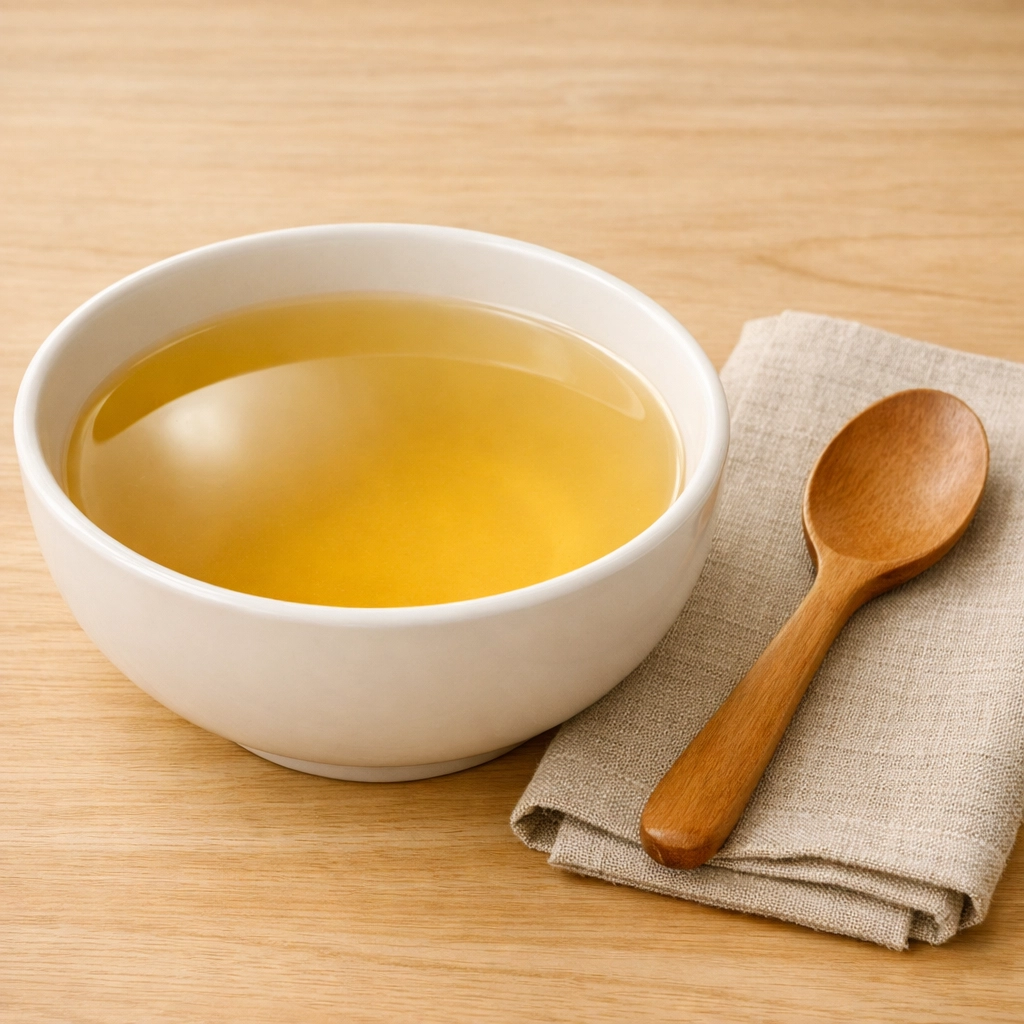
One of my absolute staples is Mineral Broth. It’s basically a massive pot of organic veggies, seaweed (for the minerals), and ginger, simmered down until it’s a liquid gold of electrolytes and nutrients. When you can’t handle solid food, sipping on this broth keeps your system from crashing.
A few quick Healing Kitchen tips:
- Ditch the metal forks: If you have that metallic “chemo taste,” switch to plastic or bamboo utensils. It sounds crazy, but it actually helps.
- Cold is your friend: Often, hot foods have stronger smells that trigger nausea. Cold smoothies, chilled fruit, or even just room-temperature protein shakes are easier to manage.
- Ginger and Peppermint: Keep these in every form, teas, candies, or even just the essential oils to sniff when the nausea hits.
You can find more specifics on what to eat during cancer treatment in our dedicated guide, where we break down the best ways to keep your energy up when your appetite is down.
3. My Natural Toolkit: Supplements and Support
This is where I talk about the “extra” stuff, the complementary therapies that help the body stay resilient while the conventional treatments do what they do. This isn’t about replacing your oncology team; it’s about giving your body every advantage possible.
My “Secret Weapon” in this toolkit has always been Taheebo Tea (also known as Pau d’Arco). I’ve spent a lot of time researching the best ways to use this bark, and it’s become a cornerstone of my daily routine. It’s not just about the tea itself, but the ritual of brewing it and the anti-inflammatory support it provides.
I’ve written two very specific guides on this because the quality of the bark and the way you brew it makes all the difference:
- Taheebo Tea (Pau d’Arco) Benefits: for Healing & Support
- Pau d’Arco Brewing Instructions (Make sure you follow the “glass or ceramic” rule, no metal pots for this one!)
Beyond tea, the essential cancer toolkit includes things like essential oils for anxiety and sleep, and even more “out there” detox methods like ozone-insufflation or coffee enemas. I know, some of this sounds intense, but when you’re fighting for your life, you open up to things you may not have considered before.
4. Finding Peace: The Mental Part
If the first three sections are about the body, this one is about the soul. Cancer is about 10% physical and 90% mental. If your head isn’t in the right place, the physical stuff feels ten times heavier.
Finding peace isn’t about “staying positive” in a fake, forced way. It’s okay to be angry. It’s okay to be terrified. Finding peace is actually about perspective shift. It’s about moving from “Why is this happening to me?” to “How do I navigate this now?”
For me, this involved a lot of quiet time and re-evaluating what actually matters. Sometimes it’s as simple as a gratitude journal, and other times it’s about finding a community that gets it. You can read more about my personal “why” and how I handled the initial shock in my cancer story.
We also dive into spiritual support and emotional grounding techniques in this section. Whether it’s meditation, prayer, or just sitting in the sun for ten minutes without your phone, these moments of peace are what recharge your battery for the next round of treatment.

Where Do You Go From Here?
This blog is meant to be a living resource. You don’t have to read it all at once. If you’re about to start chemo, head over to the Survival Guide. If you’re struggling with energy, check out the Healing Kitchen.
We have a massive list of essential cancer resources and a full archive of every deep-dive we’ve done on alternative and complementary cancer treatments.
This journey is long, and it’s exhausting, but you don’t have to do it without a map. I’m here to share what I’ve learned: the good, the bad, and the practical.
If you ever have questions or just need to reach out, you can always find me through the contact page.
You can do this,
Julien