

When you first hear the words "you have cancer," your brain immediately goes into survival mode. You start thinking about oncologists, treatment plans, insurance, and how the heck you’re going to tell your family. Your calendar fills up with blood draws, scans, and infusion appointments. It’s a physical onslaught, and for a long time, that’s where all the focus stays.
But here’s the thing I realized pretty early on in my cancer story: cancer isn't just physically challenging. There is a psychological layer that doctors didn’t tell me about.
We talk a lot about "chemo brain" and the side effects and fatigue that follow treatment. But we don’t talk nearly enough about the trauma that gets baked into our nervous systems.
It’s the little stuff that piles up. The smell and sound of the infusion center. The sight of that chemical cocktail coming out of a protective pouch covered with warning labels. The words you overhear (or get hit with directly) from doctors. Even the bruised arms from repeated infusions.
And yeah, even the practical decisions matter too—like choosing a port vs picc line so you’re not getting stuck over and over. All of it can turn into triggers that stick around long after the "all clear."
I decided I didn't want to wait until I was "done" with treatment to deal with the mental baggage I had accumulated in that short time. I wanted to shield my mind while my body was still in the thick of it. I looked for proactive ways to stop the trauma from setting in and becoming a permanent part of my identity.
Why We Need to Guard Our Minds
Research tells us that about 30% of cancer patients deal with significant psychological distress, including PTSD-like symptoms. (1)(2) It’s not hard to see why.
You get told you have something that scares everyone, including you. You stare your mortality in the face. Your body changes fast, and you can feel cut off from your normal life.
The danger is that these experiences "set in." Our brains learn quickly, and fear is the lesson they learn fastest. If we don’t step in, treatment trauma can wire itself into the nervous system. That can lead to long-term anxiety, depression, and hyper-vigilance that makes finding peace feel impossible.
I wanted to interrupt that wiring. I wanted to tell my brain, "Yes, this is happening. But it doesn't get to define how we function forever."
My Experience with EMDR During Chemo
One of the most powerful tools I used was EMDR (Eye Movement Desensitization and Reprocessing). I started sessions after my initial rounds of chemo and continued through my hospital stays and the long recovery after a major surgery.
If you’ve never heard of it, EMDR sounds a bit like science fiction. You recall a distressing memory while your eyes track side-to-side movement (or you use tapping or audio tones). The science behind it is fascinating. Researchers believe it helps change how the amygdala (your brain’s "alarm system") and the prefrontal cortex (the logical part) talk to each other.
During chemo, I had moments of intense "medical trauma." I’d feel trapped in a hospital bed. Or nausea would slam me just from looking at the clinic door. EMDR let me revisit those triggers. Then my brain could re-file the memory as something that happened in the past, not something happening right now. That took the emotional sting out of it.
In short, EMDR helps move traumatic events from the “high alert and immediate danger” pile to the “this was a time in my life” pile. I can remember what happened. I just don’t get the full-body panic response anymore.
Neurofeedback: The "Gym" for Your Brain
Along with EMDR, I dove into Neurofeedback. While EMDR was great for processing specific traumatic memories, Neurofeedback was about general regulation.
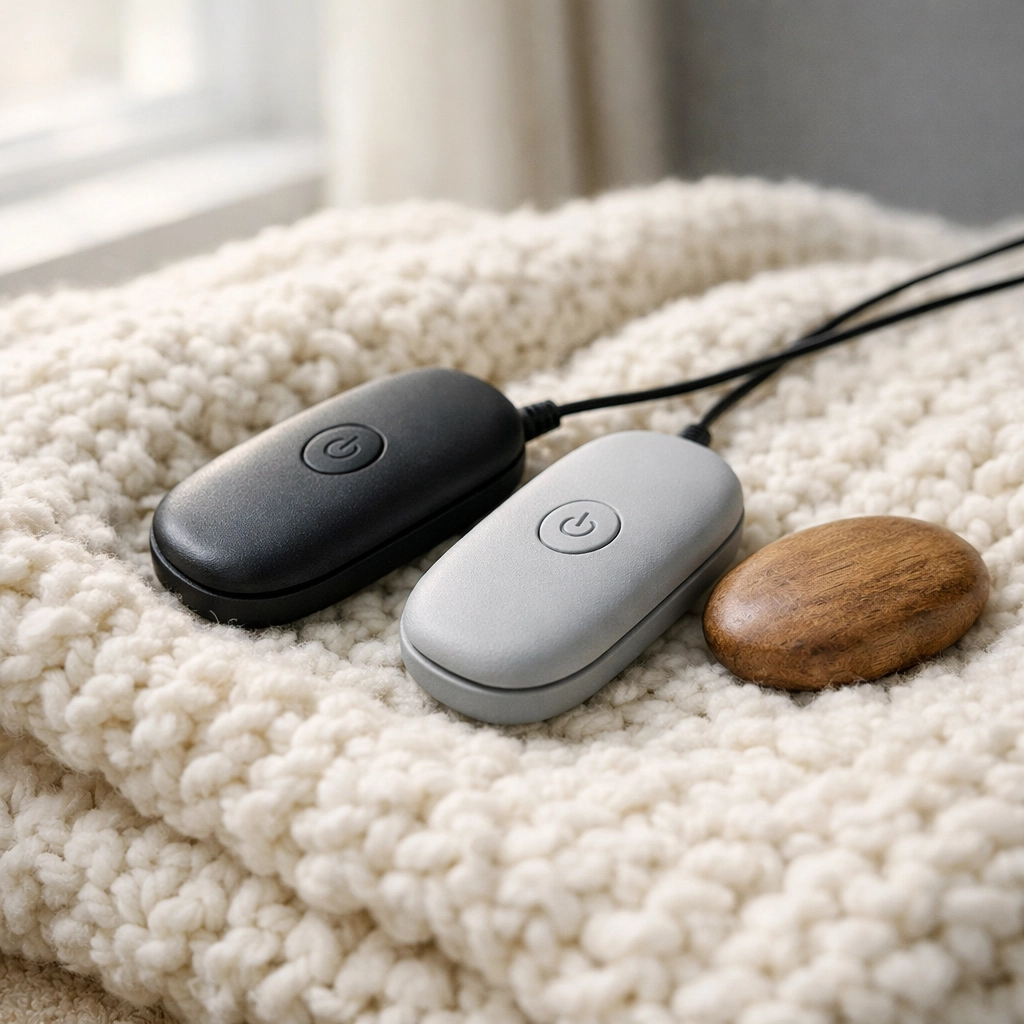
Chemo does a number on your brain's ability to regulate itself. You get the brain fog, the mood swings, and that "wired but tired" feeling. Neurofeedback uses real-time displays of brain activity to teach you how to self-regulate your brain functions.
I found that these sessions helped me "reset" after long in-hospital treatments. It felt like I gave my brain a map back to calm after weeks stuck in fight-or-flight. Research shows neurofeedback can help with "chemo brain." It may support focus and emotional regulation when treatment pushes your chemistry to the limit.
Think of it as a workout for your resilience. While my body was weak from surgery and chemo, I was actually making my mind stronger and more flexible. I also liked that all I had to do was sit in a relaxing chair and watch a video on a screen. Most times I watched documentaries. You wear brain sensors on your head and as the sensors pick up imbalanced activity, the image on the screen gets blurry or shifts a bit. We naturally want to see clearly so the brain learns that by going back to a balanced state, order and clarity is restored. It is fascinating because this is happening without your full participatio. The practitioner stays with you and can assist but in most cases they are present just looking at your readings while you learn about zebras.
Creating a Sanctuary at Home
Shielding your mind isn't just about clinical sessions; it's also about the rituals you create for yourself. When I came home from the hospital, everything felt "medical." I had to consciously reclaim my space and my senses.
I started making a habit of brewing a cup of Taheebo wellness tea. There was something about the earthy scent and the warmth of the mug that signaled to my nervous system that I was safe. And honestly, one of my favorite taheebo tea benefits (at least for me) was how it helped me relax into the moment, like a tiny off-switch for that constant background stress. It wasn't just about the tea's natural properties (I’m a big believer in a solid natural toolkit); it was about the ritual of taking five minutes to just be. If you’re dealing with that deep post-chemo chill too, I shared a bunch of warmth + comfort rituals here: Feeling Cold After Chemotherapy? TCM Secrets to Rebuilding Warmth and Vitality.
I’d sit with my tea, maybe do some light journaling, and just breathe. These small moments of normalcy are vital. They remind your brain that there is a world outside of the hospital walls and the diagnosis.
Proactive vs. Reactive Support
Most people wait until they are struggling to ask for help. They wait until the anxiety is so loud they can't sleep, or the depression makes it hard to get out of bed. But when you’re dealing with cancer, you’re already behind the eight-ball.
I'm a big advocate for out-of-the-box support from day one. If you can start these modalities early: even while you're still going through treatment: you’re essentially building a shield. You’re preventing the trauma from "setting in" so deeply that it takes years to unpack later. And if you’re the kind of person who likes to do something practical (especially when the mental stuff feels slippery), I put together a simple guide to proactive options here: Top 5 Holistic Cancer Supplements.
It’s about being proactive. You wouldn't wait until you were severely dehydrated to drink water during chemo, right? You drink it constantly to stay ahead of the side effects. Mental health should be the same way.
How to Start Shielding Your Mind
If you're in the middle of your journey and feeling the weight of it all, here are a few things you can look into:
- Find an EMDR Therapist: Look for someone who specializes in medical trauma or chronic illness. They understand the specific nuances of what we go through.
- Explore Neurofeedback: Many practitioners offer this now. It’s non-invasive and can be a game-changer for that "frazzled" feeling.
- Support Your Senses: What are you smelling, seeing, and hearing? Use an essential oil diffuser to change the "hospital smell" of your home. And if you’ve been curious about essential oil for cancer support, this is one of the gentlest ways to start—think “nervous system comfort” first, not a miracle claim. Play calming music. Reclaim your environment.
- Connect with Community: Don't do this alone. Whether it's friends, family, or an online group, having people who "get it" is a massive protective factor.

Final Thoughts
The physical toll of cancer is obvious: we see it in the hair loss, the weight changes, and the surgical scars. But the mental toll is often invisible, and if we don't address it, it can be just as debilitating.
By using tools like EMDR and Neurofeedback, I wasn't just "coping": I was actively protecting the core of who I am. I was ensuring that when I finally reached the end of my treatment, I wouldn't just be a "cancer survivor" with a broken spirit, but someone who had grown through the fire and kept their mind intact.
It’s okay to focus on yourself. It’s okay to seek out these "hacks." You’re doing the hard work of healing, and your mind deserves as much care and protection as your body.
Stay strong, stay proactive, and remember that you have the power to shield your peace.
Sources & References
(1) Gateway Cancer Research: Approximately 40% of cancer patients experience significant emotional distress, with about 21.7% suffering from PTSD symptoms (https://gatewaycr.org/about/in-the-news/1-in-5-cancer-survivors-live-with-post-traumatic-stress-disorder-ptsd).
(2) Frontiers in Psychology: A narrative review on the multidimensional determinants of PTSD across the cancer disease course (https://www.frontiersin.org/articles/10.3389/fpsyg.2025.1719291/full).