

Eating is easily one of the trickiest parts of going through cancer treatment. It’s a total rollercoaster. One day you aren’t hungry at all, the next you’re fighting off waves of nausea, and then there’s that lovely third option: terrible acid reflux. When I was going through my own heavy chemotherapy, I found myself in a weird spot. I was physically struggling, but compared to some of the other guys on my hospital floor, I felt like I was “winning” the food battle.
Mealtimes in a hospital are an experience I wouldn’t wish on anyone. I remember sitting in my room, and I could actually hear people down the hall getting sick just from the smell of the food carts rolling in. If you’ve been there, you know that specific smell, it’s a mix of steamed plastic and mystery meat. It’s enough to turn anyone’s stomach, even if you aren’t on high-dose chemo.
I was treated at a very good university hospital in California. The staff was incredible, and they truly tried their best. They even gave us a menu every morning where we could pick our lunch and dinner. They had nutritionists on staff trying to make magic happen with what the hospital kitchen provided. But let’s be real: even with the best intentions, hospital food lacks real substance. The vegetables usually came from a can or a freezer bag, and the protein was… well, let’s just say it was far from great. I always finished my meals feeling hungry and unsatisfied. At home, I was used to organic vegetables and high-quality proteins. You can actually taste and feel the difference in your energy levels when you eat “real” food.
The Powerhouse from Home
My wife is amazing. She saw how much I was struggling with the hospital tray and started bringing in reinforcements from home. Mostly, she brought pureed, cooked vegetables. It doesn’t sound like much, but those purees were a powerhouse of nutrition for me. They were easy to swallow, easy to digest, and they tasted like life.
I know not everyone has someone who can prep organic meals and deliver them to a hospital room. I also know many of you are still trying to work full-time or take care of your kids while dealing with radiation or chemo. I talk to people all the time who only take off work on the days they absolutely have to because they simply don’t have another choice. If that’s you, I see you. It’s hard, but there are ways to make the nutrition side of things a little easier.
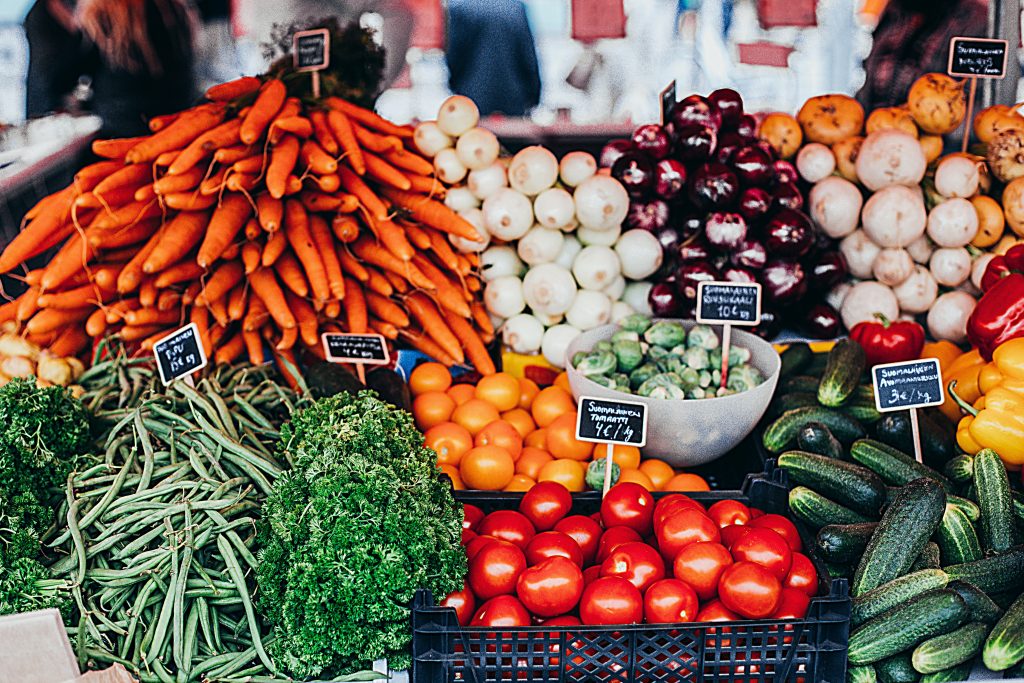
So, What Can You Eat?
First off, a disclaimer: I am not a nutritionist. I’m just a guy who has been through the ringer and spent a lot of time figuring out what worked for my body. I worked closely with a nutritional coach, and the following tips are a mix of their expertise and my lived experience.
When I look at my plate, I always aim for maximum nutrition with the least amount of energy expenditure. When you’re in treatment, your body is using every ounce of energy to fight the cancer and repair the damage from the therapy. You don’t want to waste energy on a digestive system that’s struggling to process “heavy” or complex foods.
As a general rule, I suggest aiming for at least one or two different kinds of steamed organic vegetables with both lunch and dinner. If you can manage a mineral healing broth, that’s even better for keeping your minerals up without taxing your gut.
Why Cooked Veggies Beat Raw Every Time
A lot of people think “healthy eating” means massive raw salads. While raw vegetables are great for healthy people, they are a nightmare for many cancer patients.
- Energy Consumption: Raw vegetables take a lot of work to break down. Cooked vegetables (especially steamed ones) are semi-broken down already. This makes them much easier on your digestive tract.
- Volume: It is much easier to eat an entire bag of steamed spinach than it is to eat that same bag raw. Cooking concentrates the nutrients and reduces the bulk.
- Safety: Raw vegetables have a higher risk of containing tiny bugs or bacteria. When your immune system is compromised, you don’t need that extra stress.
I always tell people to wash their greens really well, especially the “curly” stuff like broccoli and kale. My favorite way to eat them is to steam them, let them cool down to room temp, and toss them with a light vinaigrette or a bit of tahini and salt. It makes it feel more like a meal and less like a chore.
The “Insane” 13-Serving Goal
You might have heard that we should be eating between 7 and 13 servings of vegetables every single day to get the nutrients our bodies need to thrive. Let’s be honest: that sounds insane. Even on my best days, as a “compliant” adult who eats fairly well, I rarely hit 7 servings per meal.
If you have kids, a job, or, you know, cancer, finding the time to prep 13 servings of vegetables is basically impossible. This is where you have to get sneaky. I’m a big fan of hiding vegetables in pasta sauces or blending them into smoothies. But even then, there’s usually a gap between what we should eat and what we actually can eat.
The Ultimate Nutrition Hack
To bridge that gap, I turned to whole-food vegetable and fruit capsules. This was a total game-changer for me. These aren’t your typical synthetic multivitamins; they are essentially a blend of 23 different vegetables and 26 different fruits, allowing you to get a broad range of nutrition in a convenient capsule form.
I’ve found that these are some of the best supplements for cancer patients because they provide the nutritional profile of a massive variety of plants without the fiber load or the prep time. Since I started taking these, I’ve noticed my energy levels are more stable, and I actually have fewer cravings for junk carbs and sugar. It’s like my body finally stopped screaming for nutrients because it’s actually getting what it needs. If you’re looking for supplements during chemotherapy, focusing on whole-food based options is the way to go.I suggest taking 6 per day instead of the 3 they recommend.
Protein Choices: Lean vs. Red Meat
Protein is essential for rebuilding tissue, but not all protein is created equal during treatment. I found that organic, lean meats were my best friend. Think organic chicken, turkey, wild game, or even a little lamb or bison.
However, I stayed completely clear of beef. Most modern beef is highly hybridized and can be inflammatory. Unless you have a direct line to a local rancher raising non-hybridized cattle, it’s probably best to skip it for a while.
Interestingly, my team also recommended avoiding eggs and beef while I had active cancer. The reason? Iron. Many cancer patients show up as anemic in blood tests, but the theory I was working with suggested we often have plenty of iron: it’s just “biounavailable.” This means the body has the iron, but it can’t process it properly, so it just sits there, causing oxidative stress.
The Dairy Dilemma
I’m going to be blunt: if you can, avoid dairy. If you pay close attention to how you feel after eating cheese or drinking milk, you might notice more phlegm, mucus, or bloating.
The main culprit isn’t necessarily the milk itself, but the pasteurization process. Pasteurization kills off the beneficial enzymes and properties that make dairy digestible. If you absolutely must have dairy, raw dairy is best. Raw goat or cow milk and cheese are much more bioavailable and are usually okay in moderation. But that gallon of pasteurized milk from the grocery store? It’s probably doing you more harm than good right now. I was lucky to be able to drink raw goat milk for some time and loved it!
Juicing for Red and White Blood Cells
One of my favorite cancer hacks is freshly juiced organic carrot juice. I try to have it 2 or 3 times a week. Lately, I’ve been adding a splash of organic aloe juice to the mix.

Aloe is fascinating. It helps oxygenate the body and can actually stimulate the bone marrow to produce more red and white blood cells. Since almost every cancer survivor deals with low blood counts at some point, this is a simple, natural way to give your body a nudge in the right direction.
If you’re looking for other ways to support your system naturally, I also recommend checking out Taheebo Wellness Tea. I’ve found that sipping on Taheebo tea throughout the day is a gentle way to stay hydrated and support the immune system without the harshness of caffeine or sugary sports drinks. It fits perfectly into a natural toolkit.
Putting it All Together
I know this framework is simple, but simple is usually what works best when life gets complicated. Focus on cooked organic veggies, lean organic proteins, and whole-food supplements to bridge the gaps.
Whether you’re looking for alternative cancer therapies or just trying to survive your next round of chemo, remember to be kind to yourself. Some days, a win is just keeping down a bowl of broth, and that’s okay.
What about you? What are you eating during your journey? Are there certain foods that actually make you feel better, or are you struggling to find anything that tastes good? Drop a comment below: I’d love to hear your “treatment meal” hacks.
Julien
Note: I’m not a doctor. I’m just a guy who’s been through the ringer and wants to help you navigate it. Always talk to your medical team before making decisions about your treatment.